Information On How Does Residential Interior Design Renovate a Home toward a Home That Demonstrates Unique Character and Functionality?
A home is more than just four wall surfaces and a roofing— it is an area where individuals create memories, seek comfort, and share their distinct identifications. Residential interior decoration plays an important role in transforming a residence into a home that feels cozy, welcoming, and tailored to the demands of its occupants. It is not practically visual appeals but also about creating an area that enhances the quality of life for those who live in it. visit of creativity, technical know-how, and an understanding of human habits, interior designers shape residential areas in manner ins which stabilize appeal with usefulness.
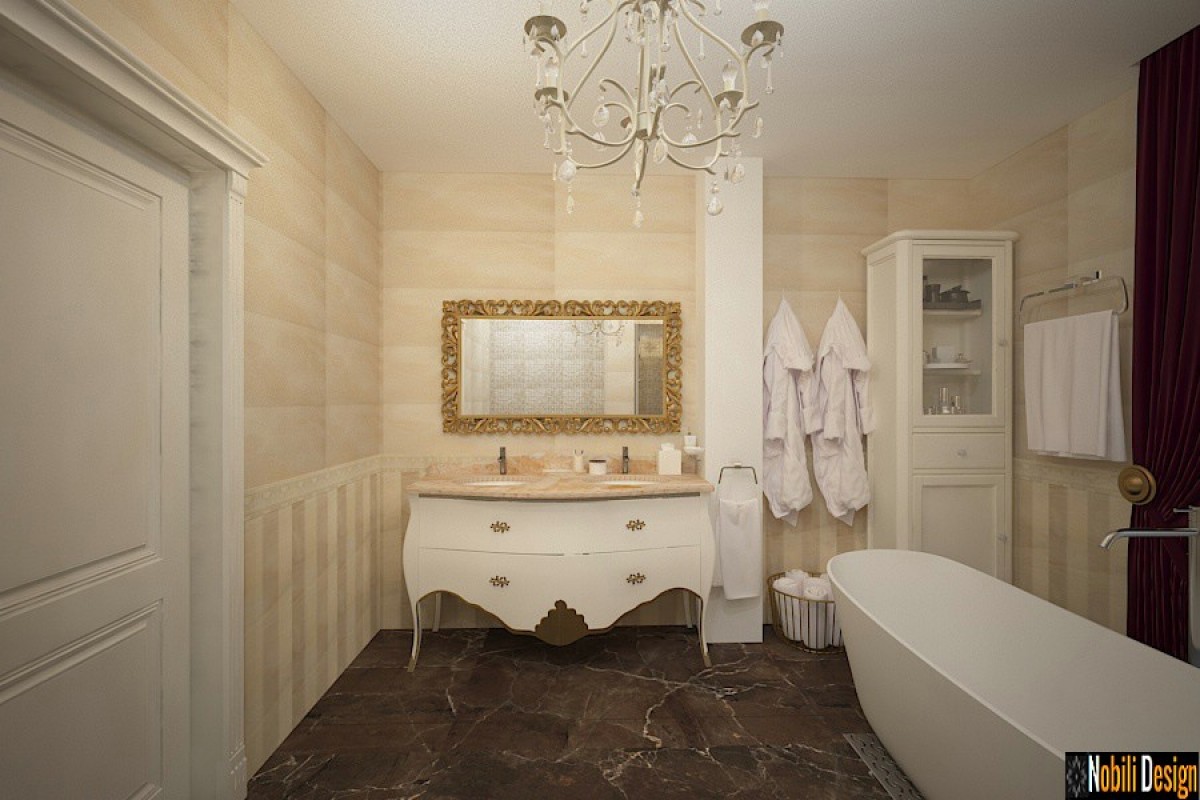
The essence of residential interior decoration depends on personalization. Every person or family has particular preferences, routines, and choices, and a well-designed home must mirror these aspects. Interior designers work carefully with house owners to understand their way of livings, interests, and requires prior to developing a style strategy. Some people favor a minimal aesthetic with clean lines and neutral shades, while others favor a more eclectic technique with strong patterns and a mix of textures. A developer's role is to bring these visions to life while guaranteeing that the room continues to be practical and natural.

Space preparation is just one of one of the most vital aspects of residential interior decoration. A well-planned home does not just look great; it additionally makes daily tasks a lot more effective and satisfying. Designers meticulously consider how each area will be used and how the design can help with activity and interaction. In an open-concept home, for example, developers need to make certain that the kitchen, dining, and seating areas are prepared in a way that allows for simple interaction while maintaining a feeling of interpretation between different areas. In smaller homes or houses, area optimization comes to be even more essential. Interior designers make use of innovative solutions such as multifunctional furnishings, integrated storage, and clever format styles to maximize the use of offered area without making it feel confined.
Shade selection is an additional effective device in residential interior decoration. Shades have the ability to influence state of mind and perception, making them a fundamental component in developing the preferred ambience within a home. Soft, neutral tones can develop a soothing and elegant atmosphere, which is ideal for bed rooms and living spaces implied for leisure. On the other hand, vibrant hues such as deep blues, rich environment-friendlies, or warm reds can add personality and energy to a room. Designers meticulously select shade combinations that not only match the homeowner's choices yet also improve the all-natural illumination and building attributes of the home.
Furniture selection and setup add substantially to the total comfort and capability of a home. Every piece of furniture must offer a purpose while complementing the design style of the room. Interior designers consider aspects such as proportion, scale, and material when choosing furnishings pieces. A properly designed living-room, as an example, ought to have seating that motivates discussion while also supplying sufficient area for activity. Bed rooms ought to be arranged in a manner that promotes relaxation, with very carefully chosen bed structures, nightstands, and lighting that improve comfort.
Lights is an additional vital facet of residential interior design, as it influences the ambiance, mood, and usability of a room. Interior developers strategically prepare lighting to highlight key style components while ensuring sufficient illumination for numerous activities. All-natural light is highly valued in household layout, as it enhances the overall ambience and creates a link between indoor and outdoor areas. Developers commonly include big windows, glass doors, and skylights to optimize all-natural light. Man-made lighting, consisting of ambient, job, and accent illumination, is used to complement natural light and give added illumination where needed. Warm lighting in living locations and rooms produces a cozy atmosphere, while brighter lighting in cooking areas and work spaces guarantees performance.
Past visual appeals and capability, residential interior decoration also contributes in boosting health. The plan of furniture, the choice of colors, the combination of natural environments, and even the high quality of air flow contribute to a home's total environment. Several developers now include biophilic design principles, which stress the connection between nature and indoor areas. This approach involves integrating all-natural materials, interior plants, and natural textures to produce a soothing environment that promotes leisure and mental health.
Storage space remedies are one more important component of residential interior design, particularly in modern homes where mess can easily gather. A properly designed home offers enough storage while keeping an aesthetically attractive and orderly environment. Developers integrate storage remedies such as built-in shelving, under-bed storage space, and hidden areas to make certain that every item fits. Kitchens, in particular, call for mindful preparation to stabilize aesthetic appeals with performance, incorporating smart storage space options that make food preparation and eating much more efficient.
The procedure of designing a residential room likewise involves selecting products that straighten with the preferred visual while satisfying practical demands. Floor covering, counter tops, wall surfaces, and fabrics all add to the overall feeling of a home. Hardwood floorings, for instance, add warmth and refinement, while floor tiles supply durability and easy upkeep. The selection of materials for drapes, upholstery, and carpets additionally enhances the structure and comfort of the area. Designers meticulously curate products to make certain that they not only look good but additionally withstand everyday deterioration.
The impact of residential interior design surpasses just the physical area— it impacts feelings, communications, and total way of life. A properly designed home promotes a feeling of belonging and convenience, making it a location where people can absolutely loosen up and be themselves. Inside developers do not just create visually pleasing spaces; they produce environments that cater to the distinct requirements of each property owner. Whether it is a comfy family home, a sleek contemporary apartment or condo, or an elegant estate, residential interior decoration has the power to transform any kind of room right into a sanctuary that boosts the lives of its residents.
The partnership between house owners and developers is critical in accomplishing an effective residential interior decoration. While developers bring experience in looks, spatial preparation, and technical information, house owners give understanding into their day-to-day regimens, preferences, and ambitions. This collaboration ensures that the final style is both functional and deeply personal.
In the ever-evolving globe of interior design, fads may come and go, however the fundamental concepts of residential interior design remain the exact same: creating an area that is visually enticing, highly practical, and deeply connected to individuals that call it home. The art and science of residential interior decoration are not practically making a home appearance attractive; they have to do with crafting an atmosphere that supports health, enhances way of living, and tells a story of uniqueness and individual expression.